

A Practical Guide to Emotional Healing and Inner Recovery

Emotional healing and inner recovery are rarely a straight line. Some days may feel hopeful and productive, while others feel heavy, exhausting, or emotionally overwhelming. You may carry emotional wounds quietly for years without fully knowing how deeply those experiences continue affecting your thoughts, relationships, confidence, stress levels, and daily wellbeing.
Emotional pain does not always disappear simply because time passes. Unprocessed emotions often remain stored in your mind and body, influencing reactions, nervous system responses, habits, fears, and emotional patterns beneath the surface.
The encouraging reality is that healing is possible.
With patience, self-awareness, supportive habits, emotional processing, and self-compassion, you can gradually experience greater emotional peace, resilience, clarity, and inner stability.
This practical guide to emotional healing and inner recovery explores all topics on this website on what emotional healing means, signs emotional healing may be needed, emotional healing techniques that can support recovery, and why the healing process often takes time. You can click through to read more about the topics that interest you (more in-depth posts).
What Is Emotional Healing And Inner Recovery?
Emotional healing refers to the process of recovering from emotional pain, stress, trauma, grief, disappointment, toxic relationships, fear, anxiety, rejection, or emotionally difficult life experiences.
Healing does not mean pretending painful experiences never happened. Instead, emotional healing involves:
- processing emotional pain
- calming the nervous system
- reducing emotional triggers
- building emotional resilience
- improving self-awareness
- creating healthier emotional patterns
- learning emotional boundaries
- restoring inner stability
Healing is not about becoming emotionally perfect but becoming emotionally healthier, more self-aware, and better able to respond to life without constantly feeling overwhelmed or emotionally depleted.
Signs You Need Emotional Healing
Many people continue functioning outwardly while emotionally struggling internally. Emotional wounds are not always obvious. Some common signs emotional healing may be needed include:
Emotional Exhaustion
Emotional exhaustion often feels like deep mental and emotional fatigue that rest alone does not fully resolve.
You may feel:
- drained constantly
- emotionally overwhelmed
- mentally exhausted
- detached from joy
- unable to cope with stress
Chronic emotional stress can place the nervous system into survival mode for long periods.
Emotional Numbness
You may stop feeling emotionally connected after prolonged stress, trauma, disappointment, or emotional overload.
Numbness may include:
- difficulty feeling joy
- emotional disconnection
- feeling “empty”
- struggling to cry or express emotion
- lack of motivation
Emotional numbness is often a protective response rather than emotional weakness.
Anxiety and Overthinking
Unresolved emotional stress frequently contributes to:
- racing thoughts
- nervousness
- hypervigilance
- constant worry
- fear of worst-case scenarios
- emotional tension
The nervous system may remain stuck in a heightened state of alertness.
Irritability and Emotional Reactivity
Emotional overload can reduce emotional tolerance. Small frustrations may suddenly feel overwhelming, leading to:
Often, deeper unresolved stress exists beneath these reactions.
Emotional Wounds That Affect Daily Life
Emotional wounds can quietly influence many areas of life, including:
- confidence
- relationships
- stress responses
- self-worth
- productivity
- emotional regulation
- communication
- trust
- physical wellbeing
Some common emotional wounds include:
Rejection
Past rejection may create fear of vulnerability, abandonment, or criticism.
Betrayal
Betrayal can damage trust and emotional safety.
Emotional Neglect
People who did not receive emotional support growing up may struggle expressing emotions or feeling emotionally secure.
Criticism and Shame
Repeated criticism may create perfectionism, self-doubt, or harsh self-talk.
Toxic Relationships
Emotionally unhealthy relationships can leave long-lasting emotional effects even after the relationship ends.
Emotional Healing And Inner Recovery Techniques
Healing often involves small consistent practices rather than dramatic overnight change. Different people respond to different approaches, and healing usually works best through a combination of supportive techniques.
Journaling for Emotional Healing
Journaling helps process emotions, identify patterns, and release mental overload. Helpful journaling prompts may include:
- What emotion am I avoiding?
- What situations emotionally trigger me most?
- What do I need emotionally right now?
- What fear keeps repeating in my life?
- What would emotional peace feel like?
Writing honestly can reduce emotional suppression and improve self-awareness.
EFT Tapping
EFT (Emotional Freedom Technique) combines tapping on acupressure points with emotional processing.
Some people use EFT to help reduce:
- anxiety
- emotional overwhelm
- stress
- fear
- emotional intensity
- limiting beliefs
EFT may help calm the nervous system while processing emotional experiences.
Mindfulness and Emotional Awareness
Mindfulness involves becoming more aware of thoughts, emotions, and bodily sensations without immediately reacting to them. Mindfulness practices may help:
- reduce emotional reactivity
- calm anxious thinking
- improve emotional regulation
- increase self-awareness
- support nervous system recovery
Even a few minutes of mindful breathing daily may gradually improve emotional stability.
Rest and Nervous System Recovery
Many emotionally exhausted people underestimate the importance of genuine rest. The nervous system cannot heal properly while constantly overstimulated. Helpful nervous system calming practices may include:
- quality sleep
- quiet time
- reducing overstimulation
- deep breathing
- calming music
- spending time in nature
- reducing toxic stress
- gentle movement
- prayer or meditation
Rest is not laziness because emotional recovery requires the support of your nervous system.
Healing After Toxic Relationships
Toxic relationships can deeply affect emotional wellbeing, self-worth, confidence, and the function of your nervous system.
After emotionally unhealthy relationships, you may struggle with:
- self-doubt
- hypervigilance
- anxiety
- emotional confusion
- fear of conflict
- difficulty trusting
- emotional exhaustion
Healing after toxic relationships often requires rebuilding emotional safety gradually. Important healing steps may include:
- reducing contact where possible
- rebuilding self-trust
- strengthening emotional boundaries
- reconnecting with supportive people
- challenging negative beliefs created by the relationship
- allowing emotional recovery time
Healing does not always happen quickly after emotional manipulation or prolonged stress.
Emotional Boundaries and Inner Protection
Healthy emotional boundaries protect your emotional well-being. Without boundaries, you may:
- absorb other people’s emotions
- feel responsible for everyone’s problems
- become emotionally drained
- struggle saying no
- neglect their own emotional needs
Healthy boundaries may involve:
- limiting exposure to toxic behaviour
- protecting personal energy
- saying no without guilt
- reducing emotional overexposure
- prioritising emotional wellbeing
Boundaries are not selfish but support emotional balance and mental health.
Why Emotional Healing Takes Time
Many people become frustrated because healing feels slower than expected. Emotional healing often takes time because:
- your nervous system needs recovery
- emotional patterns may have existed for years
- subconscious beliefs require repetition to change
- emotional safety develops gradually
- emotional triggers do not disappear instantly
Progress may happen quietly before becoming obvious. Some days may still feel difficult even while healing is occurring beneath the surface.
Small improvements matter:
- calmer reactions
- better self-awareness
- improved emotional regulation
- reduced anxiety
- stronger boundaries
- healthier thinking patterns
Healing is rarely perfect, but gradual emotional improvement can create meaningful long-term change.
Frequently Asked Questions
How do I know if I need emotional healing?
Common signs include emotional exhaustion, anxiety, numbness, irritability, emotional overwhelm, chronic stress, difficulty trusting, and recurring emotional triggers.
Can emotional wounds affect physical health?
Yes. Chronic emotional stress may affect your sleep, energy levels, how your nervous system functions, your digestion and overall wellbeing.
Why do emotional triggers feel so intense?
Emotional triggers are often connected to unresolved emotional experiences stored in the nervous system and subconscious mind.
How long does emotional healing take?
Healing differs for every person. Some improvements happen gradually over weeks or months, while deeper healing may take longer.
Can mindfulness help emotional healing?
Yes. Mindfulness may improve emotional awareness, reduce emotional reactivity, and help calm the nervous system.
Is emotional healing possible after toxic relationships?
Yes. Emotional healing after toxic relationships is possible through time, boundaries, support, self-awareness, and emotional recovery practices.
From The Mindset Transformation Library

If conversations leave you drained, if other people’s moods stay with you for hours, or if caring for others often turns into exhaustion, this book was written for you.
Many sensitive people have been told they are too emotional, too affected, or too soft. The truth is often something very different. Sensitivity is not the problem. Emotional carrying what does not belong to you is.
You're Not Too Sensitive, You're Carrying Too Much explores why some people absorb the stress, disappointment, and emotional weight of others without realising it. Over time, this can lead to overwhelm, fatigue, resentment, anxiety, and the feeling that life is heavier than it should be.
Inside this book, you will learn how emotional carrying begins, why it becomes a habit, and how to identify the difference between compassion and absorption. You will discover how to create healthier boundaries without becoming cold or distant, how to stay caring without carrying, and how to feel deeply without losing yourself.
Through practical insights, reflective exercises, and guidance, this book will help you:
- understand why other people’s emotions affect you so strongly
- recognise what is yours and what is not
- reduce emotional exhaustion and mental overload
- develop boundaries that feel natural and steady
- trust your body’s signals again
- create more space for calm, clarity, and self-respect
You do not need to harden yourself, care less or become someone else. You only need a new understanding of what has been weighing you down.
If you are ready to feel lighter, clearer, and more emotionally free, this book will show you where to begin.

Do you ever feel overlooked, undervalued, or misunderstood because you are quiet?
In a world that rewards loud voices and constant visibility, many quiet people struggle with self-esteem. Your thoughtful nature may be mistaken for shyness, your preference for calm as weakness. Over time, these misunderstandings can affect your confidence and make you question your worth.
The Quiet Self Esteem Method offers a different path. This practical guide is designed for people who want to build lasting confidence without pretending to be someone they are not. Through small, daily habits, you will learn how to strengthen your sense of self-worth, protect your energy, and create boundaries that honour your needs.
Inside, you will discover why quiet people often struggle with self-esteem and how to turn your quiet personality into a strength. You will also learn simple techniques to silence your inner critic and stop comparing yourself to others. If you want to know how to set boundaries without guilt and find ways to speak up, be heard, and connect meaningfully with others, this book is for you.
However, this book is not about becoming louder or forcing yourself into the spotlight. It is about learning to value who you are, showing up with quiet confidence, and living with self-respect.
If you have ever felt that your voice was too soft for the world to notice, this book will remind you that quiet does not mean invisible. Confidence can be calm, steady, and powerful.
Take the first step towards unshakable self-esteem today.

This eBook, with seven chapters, explores the important yet often misunderstood concept of solitude and its role in your life. However, this isn't just a book about how to be alone but a tool for self-discovery, self-acceptance and learning to appreciate your own company.
The author challenges the idea that being alone equates to loneliness, instead presenting it as an enriching experience. The chapters guide you to understand what it truly means to be alone, helping you to change your inner thoughts and become your own best friend.
If you who want to better understand and appreciate the power of their own company, you will enjoy this book for its transformative insights. A must read if you want to start a journey of self-discovery and personal growth.
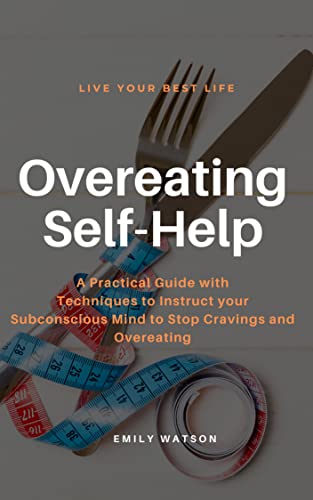
Are you tired of constantly battling overeating and feeling like you're out of control? Overeating has become an eating disorder and a psychological addiction that can be just as difficult to overcome as drugs or alcohol. But the good news is that it is possible to recondition your brain to stop overeating and take better care of your body and health.
In "Overeating Self-Help," you'll discover practical techniques to manage your overeating impulses and cravings when you need it most - in the privacy of your own home. Unlike other diets and weight loss programs that rely solely on conscious thinking, this book speaks directly to your subconscious mind to reprogram it with a new reality: the choice to take better care of your body.
Through nine effective techniques, this book will guide you on a journey of self-discovery and help you understand the root causes of your overeating. You'll gain insight into the different types of overeating and the potential reasons why you may be struggling with this addiction. Plus, you'll learn why appetite suppressants can be dangerous to your health, and how to retrain your mind to make healthier choices.
With six chapters that cover everything from understanding overeating to providing practical tips for managing cravings, this book is a valuable addition to any collection on eating disorders. Plus, you'll even get a bonus chapter that explains three little-known moves to tighten your stomach muscles while standing.
Say goodbye to overeating and hello to a healthier, happier you.

Agoraphobia is the mother of all phobias. It is an unpleasant and often misunderstood condition that paralyses the sufferer into becoming a spectator of life. Many people who suffer from agoraphobia find it too stressful to leave the house and often cancel appointments or other commitments to stay at home.
But what if there was a way to trick or control your brain to react differently to your fears and anxiety so that you were able to leave the house for your appointment or other affairs? Or to calm down when feelings of anxiety become too overwhelming?
This short-read book proposes five types of self-help techniques to overcome feelings of desperation, overwhelm, total despair, and worry whenever you are faced with an anxious situation. The author hopes to help those in the grip of agoraphobia cope and take back some control over their lives.
Learn to Use the Power of Your Subconscious Mind to Stimulate Self-Healing and Achieve Optimal Health
Discover the hidden potential of your body's natural healing abilities with this powerful guide to improving your health. This small book is packed with a big message on how to use the power of your subconscious mind to promote self-healing. The human body is a self-healing organism, and a growing body of scientific evidence suggests that our minds play a significant role in this process. This book will teach you various strategies, both well-known and lesser-known, to stimulate your body's self-healing process and use your own self-healing powers.
These self-healing techniques can be done in the privacy of your home and should be used in conjunction with healthy nutrition and exercise. It is important to note that this book does not replace the need for medical help or counsel, especially for severe conditions. It is always essential to seek the advice of a doctor or other healthcare professional. Instead, this book aims to show you how to use your body's strength to improve your health, as there is growing evidence that you can do this.
With nine techniques, this book will lead you on a journey of self-discovery and self-healing that you never thought possible. Discover the secrets of the mind-body connection and learn the true potential of your body's innate healing abilities.
See our blog posts about self-healing here.
Your success is often hampered because of your thinking. It is difficult to ascend beyond what you believe. Therefore, it is crucial to break out of your own limitations if you wish to achieve more success in life. You have more control over your success, identity, and mind than you think. Many of us allow our minds and our past conditionings to control us. However, you have the power to change your mind, thoughts, beliefs, identity, life, and ultimately your success. To create more success, you must change how you see yourself. Once you remove limitations and begin to believe in your true limitless potential, you allow yourself to shift into unlimited possibilities. This is where you can begin the process of achieving any level of success you choose.
The Emotional Freedom Technique (EFT) is well-known for reducing stress, anxiety, and emotional and physical pain. However, tapping can also help you overcome self-imposed limitations that affect your success. EFT entails tapping specific places on the body, particularly the head and face. While doing so, you concentrate on the problem you want to solve while repeating negative and positive phrases related to the problem. When it comes to more success, tapping's primary purpose is to help you get rid of undesirable negative emotions and ideas that can come up at any time and stop you in your tracks.
The scripts direct you to focus on and clear up the most important issues that stand in the way of your success. In addition, each script is also infused with lofty questions. Lofty questions are formulated to encourage helpful responses, insights, or solutions and thus help to change how you think about a problem. Therefore, it gives you double the strength of traditional tapping!
Using the EFT scripts does not mean that you have to do it alone without the support of EFT professionals. Instead, the scripts are self-guided and empower you to take those first steps to become a better version of yourself in the privacy of your own home. You are also guided towards how to address your core issues and beliefs about your success by devising your own scripts.
The scripts in this book focus on the following issues that can hamper your success:
Building more confidence
Deal better with disappointment
Stop procrastination
Stop self-sabotage
Get more self-love and acceptance
Stop self-criticism
Overcome imposter syndrome
Get better self-esteem and image
Increase productivity
Become more positive
Become more organised
Deal with stress
Have more perseverance
Become a better team player
Become a better public speaker
Bonus script: Overcome limiting beliefs
Bonus script: Adopt healthy habits
Bonus script: Tap on miracle words (Hoōponopono)
Bonus: Tapping and Ranting
Knowing that each person's situation is unique, this book also helps you formulate your own phrases. You need to understand and tap into the underlying core issues that stand in your way of success.
When you purchase the book, you will also receive the following bonuses (the download link is inside the book):
eBook: Overcome obstacles
eBook: Self-confidence affirmations
eBook: Healthy habits
eBook: Total mental resilience
Document: Peak Productivity Blueprint
Printable Create Your Own Script Template
An audio file (wav format) for each script to tap wherever you are
Set Your Intention Affirmations
Don't miss out on the success that you deserve, and start clearing all the negative emotions that affect your success in the workplace and business environment!
You love them to pieces, but they're not a good fit. They're too angry and verbally abusive. You're caught between a rock and a hard place, but you cannot leave the relationship.
One of the most common reasons people decide to stay in a verbally abusive relationship is because they are afraid of the pain that leaving might bring. They also fear the unknown and want to protect themselves and their family from potential hurt and financial suffering.
Do you want to regain control of your life and get back on the right track despite being in such a relationship?
If you've lived with an anger-addicted person for a while, this book is for you. The book will help you learn to detach from this relationship and find your inner peace with some mindset techniques. It's about surviving and detaching from this type of relationship without emotion-scarring you or your loved ones.
Continue Reading
- The Complete Guide to Productivity and Success: How to Achieve More Without Burning Out
- Money Mindset and Abundance: A Practical Guide to Changing Your Relationship With Money
- The Complete Guide to Healthy Relationships
- Your Ultimate Guide to Positive Affirmations That Actually Work
- Your Ultimate Guide to Lasting Self-Belief And Confidence








Leave a Comment