The Complete Guide to the Subconscious Mind: How to Reprogram Limiting Beliefs and Create Positive Change

The subconscious mind influences far more of daily life than most people realise. Thoughts, habits, emotional reactions, fears, confidence levels, and recurring behaviour patterns are often connected to subconscious programming developed over many years.
Many people consciously desire happiness, success, confidence, peace, or emotional healing, yet still feel stuck in cycles of self-doubt, procrastination, fear, or emotional overwhelm. This disconnect often occurs because the conscious mind wants change while subconscious beliefs continue supporting old patterns.
Understanding how the subconscious mind works can help explain why some habits feel automatic, why certain fears repeatedly appear, and why emotional triggers can feel difficult to control. The encouraging reality is that subconscious beliefs are not permanently fixed. New mental patterns can gradually replace limiting conditioning through awareness, repetition, emotional healing, and supportive habits.
This guide explores how the subconscious mind works, how limiting beliefs form, how subconscious reprogramming happens, and practical ways to create healthier thought patterns over time. Click through on the topics that interest you to read more.
What Is the Subconscious Mind?
The subconscious mind is the deeper part of the mind that stores beliefs, memories, emotional associations, habits, learned behaviours, automatic responses, and long-term conditioning. While the conscious mind focuses on active thinking and decision-making, the subconscious mind operates continuously in the background.
Many daily behaviours happen automatically because they have been repeated so often that the subconscious mind now treats them as familiar patterns.
Examples include:
- emotional reactions
- self-talk
- habits
- fears
- comfort-zone behaviour
- confidence levels
- relationship patterns
- stress responses
The subconscious mind also filters information based on existing beliefs. Someone who subconsciously believes they are not good enough may focus more heavily on criticism than encouragement, even when positive feedback is present.
What Is Subconscious Reprogramming?
Subconscious reprogramming refers to the process of changing deeply rooted beliefs, habits, emotional reactions, and automatic thinking patterns through repetition, awareness, emotional healing, and consistent mental conditioning.
The goal is not perfection. The goal is gradually replacing harmful mental patterns with healthier and more supportive beliefs.
How Subconscious Beliefs Are Formed
Subconscious beliefs usually begin forming during childhood and continue developing through life experiences, relationships, emotional events, repetition, and environmental influence.
The subconscious mind learns strongly through:
- repetition
- emotion
- observation
- emotional pain
- fear
- praise or criticism
- social conditioning
For example:
- A child repeatedly criticised may grow into an adult who fears making mistakes.
- Someone exposed to financial stress may develop scarcity thinking.
- Emotional rejection may create subconscious fears of abandonment.
- Growing up in a chaotic environment may train the nervous system to expect stress constantly.
Over time, repeated experiences become internal beliefs.
How Childhood Beliefs Affect Adult Confidence
Childhood experiences often shape adult confidence more deeply than people realise. Early emotional experiences can influence:
- self-worth
- trust
- emotional safety
- fear of rejection
- people pleasing
- perfectionism
- confidence
Children naturally absorb messages from parents, teachers, peers, and environments. Statements repeated consistently may become internalised beliefs.
Examples include:
- “I am not smart enough.”
- “I must avoid failure.”
- “I have to please others.”
- “I am not important.”
- “Success is stressful.”
- “I always get rejected.”
These beliefs may continue operating unconsciously long into adulthood.
Signs Your Subconscious Mind Is Blocking Success
Many subconscious beliefs operate quietly beneath awareness. Some signs may include:
Persistent Self-Doubt
Even successful people may constantly question themselves when subconscious insecurity remains unresolved.
Procrastination
Procrastination is often connected to subconscious fear rather than laziness alone. Fear of failure, criticism, or disappointment may create avoidance behaviour.
Negative Self-Talk
Automatic internal criticism often reflects deeply rooted subconscious conditioning.
Fear of Visibility
Some people subconsciously fear attention, judgment, or success itself.
Repeating Unhealthy Patterns
Relationship problems, financial struggles, emotional cycles, and destructive habits may repeat when subconscious beliefs remain unchanged.
Emotional Overreactions
Strong emotional reactions may indicate unresolved subconscious triggers connected to past experiences.
Why the Subconscious Mind Resists Change
The subconscious mind prefers familiarity. Even unhealthy patterns can feel emotionally “safe” because they are familiar.
This explains why people sometimes:
- sabotage opportunities
- return to unhealthy relationships
- resist positive habits
- struggle maintaining change
- revert to old thinking during stress
The subconscious mind prioritises predictability more than personal growth.
Real change usually requires repetition and patience because the brain gradually strengthens new neural pathways over time.
How to Reprogram Your Subconscious Mind
Subconscious transformation rarely happens overnight. Consistency matters far more than perfection.
1. Increase Self-Awareness
Awareness weakens automatic thinking patterns.
Pay attention to:
- recurring fears
- emotional triggers
- internal criticism
- repeated behaviours
- negative assumptions
Questions that help:
- What thoughts do I repeat daily?
- What fears appear most often?
- Which beliefs no longer serve me?
- What situations trigger emotional reactions?
Journaling can help reveal subconscious habits operating beneath awareness.
2. Use Repetition Carefully
The subconscious mind learns through repeated exposure.
Supportive affirmations, healthy self-talk, visual reminders, and repeated positive experiences can slowly strengthen new mental patterns.
Examples:
- “I am becoming emotionally stronger.”
- “I can create healthier habits.”
- “I deserve peace and confidence.”
Consistency matters more than emotional intensity.
3. Practice Visualisation
Visualisation helps the subconscious mind become familiar with new possibilities.
Mental rehearsal may include:
- visualising confidence
- imagining calm emotional responses
- seeing successful outcomes
- mentally practicing healthier habits
The subconscious mind often responds strongly to emotionally vivid imagery.
4. Heal Emotional Wounds
Some subconscious beliefs are connected to unresolved emotional pain.
Emotional healing practices may include:
- EFT tapping
- mindfulness
- prayer
- counselling
- rest
- journaling
- emotional processing
- supportive relationships
Healing emotional pain often reduces the intensity of limiting beliefs.
5. Protect Your Mental Environment
The subconscious mind absorbs repeated influences.
Constant negativity, criticism, fear-based media, toxic environments, or emotionally draining relationships may reinforce unhealthy conditioning.
Helpful influences include:
- uplifting books
- peaceful routines
- supportive friendships
- calming environments
- educational content
- encouraging conversations
Small influences accumulate over time.
Daily Habits That Reprogram the Mind
Small consistent habits often create stronger long-term change than dramatic short bursts of motivation.
Helpful subconscious habits may include:
- morning affirmations
- journaling
- gratitude practice
- mindfulness
- reading positive material
- limiting negative media
- healthy sleep routines
- visualisation
- movement and exercise
- emotional self-reflection
Daily repetition gradually strengthens healthier mental conditioning.
Subconscious Mind Techniques for Anxiety
Anxiety is often connected to subconscious fear patterns and automatic threat responses.
Helpful calming techniques may include:
- slow breathing
- grounding exercises
- mindfulness
- journaling anxious thoughts
- EFT tapping
- reducing overstimulation
- visualisation
- calming routines before sleep
Teaching the nervous system to feel safer can help reduce automatic anxiety responses over time.
Sleep and the Subconscious Mind
Sleep plays an important role in subconscious processing, emotional regulation, memory consolidation, and nervous system recovery.
Poor sleep may intensify:
Helpful sleep habits include:
- reducing screen exposure before bed
- calming evening routines
- avoiding overstimulation
- journaling before sleep
- relaxation practices
- listening to calming audio
The mind continues processing emotions and information during sleep.
Common Mistakes in Subconscious Reprogramming
Expecting Instant Results
Subconscious transformation is usually gradual.
Forcing Toxic Positivity
Suppressing emotions often delays healing.
Constantly Switching Techniques
Consistency matters more than endlessly searching for perfect methods.
Ignoring Emotional Healing
Positive thinking alone may not resolve deeper emotional wounds.
Self-Criticism During Setbacks
Progress often includes temporary setbacks and emotional fluctuations.
Frequently Asked Questions
Can You Really Train Your Subconscious Mind?
Yes. Repeated thoughts, behaviours, emotional experiences, and environmental exposure gradually influence subconscious conditioning over time. The brain remains adaptable throughout life. New habits, healthier emotional responses, and supportive beliefs can strengthen through repetition and practice.
How long does subconscious reprogramming take?
The process differs for each person. Some changes appear within weeks, while deeper patterns may require months of consistent practice.
Can subconscious beliefs affect relationships?
Yes. Many relationship patterns are connected to emotional conditioning, attachment patterns, fear, trust, and self-worth beliefs.
Why do negative thoughts keep returning?
Old neural pathways often resurface during stress or emotional exhaustion. This does not erase progress.
Can the subconscious mind affect success?
Yes. Fear, confidence, self-worth, emotional regulation, and behavioural habits all influence personal and professional growth.
What is the best subconscious reprogramming technique?
Different people respond differently. Journaling, affirmations, mindfulness, visualisation, emotional healing, EFT tapping, Neuro Linguistic Programming (NLP) and repetition are often most effective when combined consistently.
From Our Book Shelf

Do you ever feel overlooked, undervalued, or misunderstood because you are quiet?
In a world that rewards loud voices and constant visibility, many quiet people struggle with self-esteem. Your thoughtful nature may be mistaken for shyness, your preference for calm as weakness. Over time, these misunderstandings can affect your confidence and make you question your worth.
The Quiet Self Esteem Method offers a different path. This practical guide is designed for people who want to build lasting confidence without pretending to be someone they are not. Through small, daily habits, you will learn how to strengthen your sense of self-worth, protect your energy, and create boundaries that honour your needs.
Inside, you will discover why quiet people often struggle with self-esteem and how to turn your quiet personality into a strength. You will also learn simple techniques to silence your inner critic and stop comparing yourself to others. If you want to know how to set boundaries without guilt and find ways to speak up, be heard, and connect meaningfully with others, this book is for you.
However, this book is not about becoming louder or forcing yourself into the spotlight. It is about learning to value who you are, showing up with quiet confidence, and living with self-respect.
If you have ever felt that your voice was too soft for the world to notice, this book will remind you that quiet does not mean invisible. Confidence can be calm, steady, and powerful.
Take the first step towards unshakable self-esteem today.

Your mind is powerful but your subconscious is what decides what stays, grows, and manifests.
This practical guide gives you the tools to reprogram limiting beliefs, release resistance and align your inner world with the success, confidence, and abundance you’re ready for.
Inside, you'll learn how to:
- Clear hidden mental blocks using Emotional Freedom Technique (EFT).
- Use scripting, journaling, and visualisation to send instructions to your subconscious mind.
- Tap into the power of sleep reprogramming and subliminal audio.
- Calm your nervous system through daily routines and mindfulness practices.
- Move through resistance and break the cycle of self-sabotage.
- Build a mindset that attracts new opportunities, without relying on willpower.
The book also includes a 21-day subconscious reprogramming challenge that provides daily practical steps to help you transition from being stuck to being aligned.
If you’re ready to stop forcing change and start allowing success, "Manifest with the Subconscious Mind" will show you how to work with the most powerful part of your mind to affect change in your life.
You don’t need to think harder but only need to rewire what's already in charge.

Are bad habits holding you back? Do you want to live a life full of happiness, success, and growth as a person? Don't look any further! In this eBook, you'll find a great trove of techniques for changing your mind that will help you break out of old habits and reach your full potential.
Inside these pages, you'll go on a journey that will change you, exploring how your conscious and subconscious thoughts work. Learn more about the science of habits and how to identify and break the bad ones that have been holding you back for far too long.
This complete guide, made up of seven helpful chapters, will help you find your way through the tricky process of changing habits. Take part in exercises that are meant to help you move forward on your path to change. Explore powerful ways to change your mind that will light a fire in you and make you even more determined to form lasting good habits.
But this eBook goes further than the simple tips that are usually found in self-help books. It gives you the tools you need to maintain a positive outlook even when bad things happen. As you create new habits, you'll learn how to fit them into your daily life in a way that works, which is the key to long-term success.
Are you ready to break free from what has been holding you back? Your change is on the way. Step into a world of strength, growth, and personal fulfillment like you've never seen before. Get this eBook today and start the journey of a lifetime.
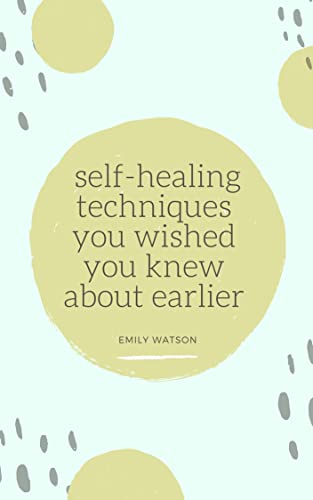
Learn to Use the Power of Your Subconscious Mind to Stimulate Self-Healing and Achieve Optimal Health
Discover the hidden potential of your body's natural healing abilities with this powerful guide to improving your health. This small book is packed with a big message on how to use the power of your subconscious mind to promote self-healing. The human body is a self-healing organism, and a growing body of scientific evidence suggests that our minds play a significant role in this process. This book will teach you various strategies, both well-known and lesser-known, to stimulate your body's self-healing process and use your own self-healing powers.
These self-healing techniques can be done in the privacy of your home and should be used in conjunction with healthy nutrition and exercise. It is important to note that this book does not replace the need for medical help or counsel, especially for severe conditions. It is always essential to seek the advice of a doctor or other healthcare professional. Instead, this book aims to show you how to use your body's strength to improve your health, as there is growing evidence that you can do this.
With nine techniques, this book will lead you on a journey of self-discovery and self-healing that you never thought possible. Discover the secrets of the mind-body connection and learn the true potential of your body's innate healing abilities.
See our blog posts about self-healing here.
Continue Reading
- Your Ultimate Guide to Positive Affirmations That Actually Work
- Your Ultimate Guide to Lasting Self-Belief And Confidence
- A Practical Guide to Emotional Healing and Inner Recovery
- The Complete Guide to the Subconscious Mind: How to Reprogram Limiting Beliefs and Create Positive Change
- How to Deal with Failure: A Mindset Shift Beyond Resilience









Leave a Comment