

Anxiety, Stress And Overthinking: A Practical Guide To Calming Your Mind

Anxiety, stress and overthinking can leave you tense, distracted and exhausted. A conversation ends, but your mind keeps returning to it. You remember what you said, question what the other person meant and imagine a problem that has not happened. Later, when you want to rest, the same thoughts begin again.
Managing these thoughts often starts with noticing the pattern, easing immediate pressure and deciding whether a concern needs action, support or time. You do not have to empty your mind before taking a useful next step.
This guide brings together practical ways to manage worry, racing thoughts and emotional overwhelm. Grounding, comfortable breathing, journaling and realistic routines can support everyday wellbeing. Persistent or severe anxiety deserves professional care, and the exercises here can sit alongside that care.
Start with the section that matches what you need today. If your thoughts are racing, try the grounding exercise first. If your responsibilities feel unmanageable, begin with reducing overwhelm. For a closer look at repetitive worry, read the article on overthinking and stress.
Understanding Anxiety Stress And Overthinking
What Is Anxiety?
Anxiety involves worry, fear or unease, often in response to uncertainty or a possible threat. Feeling nervous before an interview or a medical appointment is common. Anxiety becomes more concerning when it persists, feels difficult to manage or restricts everyday activities.
Its effects can be physical as well as emotional. You might feel restless, tense or unable to concentrate, with changes in sleep, breathing or heartbeat. These symptoms can have other causes too, so new or worrying physical symptoms should not automatically be labelled anxiety.
What Is Stress
Stress is a response to pressures or demands. Deadlines, financial concerns, caring responsibilities and relationship difficulties can all contribute. Sometimes you know exactly what is causing it; at other times, many smaller demands have accumulated.
A difficult week can leave you irritable, tired and less able to focus. If the pressure continues, recovery matters as much as getting through your tasks. The article on emotional resilience explores skills and support that can help during demanding periods.
What Is Overthinking
Overthinking describes repetitive thinking that stops producing useful information. It might involve replaying something from the past or rehearsing possible problems in the future. The subject changes, but the feeling of being stuck can remain.
Overthinking is not a diagnosis. It can occur alongside anxiety, stress, low mood or ordinary uncertainty. The question to ask is whether your thinking is helping you understand something or keeping you in the same loop.
Why Your Mind Keeps Returning To The Same Worry
Repeated thinking can feel like preparation. You may hope that examining every possibility will prevent embarrassment, rejection or a mistake. Unfortunately, no amount of mental rehearsal can provide certainty about every outcome.
Perfectionism, difficult experiences and fear of judgement can make uncertainty especially uncomfortable. Constant information and insufficient rest may add to the strain. These influences do not mean you have caused your anxiety or that you should be able to stop it through willpower.
Notice the rule underneath the worry. Perhaps you believe you must always please people, never make mistakes or anticipate everyone’s reactions. The guide to common limiting beliefs can help you identify assumptions worth questioning.
Problem-Solving Or Overthinking
Useful problem-solving moves towards a decision or an action. Overthinking repeatedly revisits a concern without adding anything that helps you respond. Both can begin with “What if?”, so the wording alone does not tell you which is happening.
Suppose you are worried about tomorrow’s presentation. Checking your notes and practising the opening gives the concern somewhere to go. Imagining the audience’s disapproval for the twentieth time may only leave you more tired.
Ask, “What information am I missing?” and “What could I reasonably do next?” If there is a practical step, choose when to take it. If there is no new information or action available, you can pause the analysis. These ways to improve your problem solving skills explore this distinction further.
How To Stop Overthinking Without Fighting Every Thought
Notice The Loop
Try naming what is happening: “I am replaying that conversation” or “My mind is predicting a difficult outcome.” This creates a little distance between the thought and your response. You are observing a mental event, rather than accepting every thought as a fact.
Avoid turning awareness into another criticism. A thought returning does not mean the exercise has failed. The practice is noticing and choosing what to do next, as often as you need to.
Separate Facts From Assumptions
Write one sentence describing what you know. Then write what you are adding. “My colleague has not replied” is a fact. “My colleague must be angry with me” is an interpretation.
Consider another explanation without demanding reassurance. Perhaps the person is busy, or your message does not need an immediate answer. The article on reframing negative self talk gives more examples of questioning an unhelpful conclusion.
Choose An Action Or A Pause
Decide whether the concern needs something from you now. You might clarify a deadline, prepare a question or arrange a conversation. When no action is useful, return attention to what you are doing.
If it helps, imagine describing the situation from a little further away. The Third Chair technique provides a reflective exercise for considering another perspective. You do not need to settle every uncertainty before continuing your day.
Grounding Techniques For Anxiety And Racing Thoughts
Grounding means directing attention towards concrete details in the present. It may help when worry has pulled you into imagined situations, although it will not feel equally useful to everyone.
Try the familiar five senses exercise. Notice five things you can see, four things you can feel, three things you can hear, two things you can smell and one thing you can taste. Take your time. If a sense is unavailable or uncomfortable to focus on, use another one instead; completing the sequence perfectly is unnecessary.
A shorter version is to look at one object and describe its colour, texture and position. Feel the chair supporting you or notice your feet against the floor. These are ways of giving your attention a clear point of reference.
Our grounding techniques for panic attacks article explores further options. Grounding can support coping, but it cannot establish whether physical symptoms are caused by panic. Seek urgent medical assessment for severe chest pain, fainting or serious breathing difficulty, especially when symptoms are new or unfamiliar.
Comfortable Breathing For Stress
Breathing exercises can be part of a calming routine. Sit in a supported position if possible and let your breath move at a comfortable pace. Breathe without forcing a large inhalation or holding your breath. A relaxed count may help, but there is no need to reach a particular number.
If focusing on breathing makes you more anxious or dizzy, stop the exercise and breathe normally. Try an external focus instead, such as naming objects around you. The most useful practice is one you can tolerate, not one you feel obliged to complete.
For other ideas to explore at your own pace, read the article on stress relief at home. Treat any complementary technique as an optional wellbeing practice rather than a substitute for treatment.
What To Do When You Feel Overwhelmed
Overwhelm can make every task seem equally urgent. Before trying to work faster, stop long enough to identify the immediate demand. What genuinely needs attention now, and what could wait or be shared?
Write down the tasks you are trying to remember. Choose one manageable starting point, such as opening a document, sending a short message or preparing what you need for an appointment. A large task may need to be divided before it feels possible.
Our productivity and success hub explores focus, habits and competing demands. If strong emotions make it hard to respond thoughtfully, these ideas for managing emotions in the moment offer further reflection.
If your workload is consistently beyond your capacity, organisation alone will not solve it. Consider what needs to change in the demands themselves, including expectations, deadlines or access to help.
Everyday Habits That Can Reduce Stress
Allow Time For Rest And Recovery
Protect a regular opportunity to sleep and take breaks before exhaustion becomes your only signal to stop. Rest does not need to be earned by finishing every task. A short pause between demanding activities may be more realistic than waiting for an entirely free day.
Choose one repeatable habit, such as stepping away from work at lunchtime or preparing tomorrow’s essentials earlier in the evening. The article on changing your habits and the Transform Your Habits With Mindset Techniques ebook offer ways to think through routines you can maintain.
Include Movement And Outdoor Time
Choose movement that suits your health, mobility and available energy. Walking, stretching or another activity you enjoy can provide a break from prolonged sitting and repetitive thinking. Starting small is reasonable.
When possible, spend some time outdoors without needing it to become another achievement. Read about the benefits of being outdoors for ideas to consider. Even a short change of surroundings may be welcome during a demanding day.
Reduce Unnecessary Input
Notice whether notifications, news or social media leave you more informed or simply more activated. You might turn off nonessential alerts, choose a time to check messages or keep a period before bed free from work updates.
The article on digital wellbeing and screen habits explores this relationship. You can stay informed while setting limits on how often information interrupts you.
Challenging Catastrophic Thinking
Catastrophic thinking takes a possible difficulty and turns it into an imagined disaster. A small mistake becomes proof that you will lose your job, disappoint everyone or never recover.
Try asking what outcome is most plausible given the information you have. Then consider how you could respond if the situation were difficult. This allows for uncertainty while reminding you that support and choices may still be available.
For example, “If I make a mistake in the interview, everything is over” might become “I can pause, clarify my answer and continue.” The article on dealing with unexpected situations explores responding when events do not go to plan.
You do not need to argue with the thought all day. Check it once, decide whether any action is needed and return to the present task.
Anxiety Perfectionism And Fear Of Mistakes
Perfectionism can make ordinary decisions feel like tests of your worth. Repeated checking, postponing a task or rewriting the same message may promise relief while leaving you more uncertain.
Choose what completing the task adequately would look like before you begin. For a routine email, that might mean checking the facts, reading it once and sending it. The standard should fit the importance of the task.
My article on ways to overcome perfectionism explores this pattern. Pair realistic standards with compassion towards yourself when you make a mistake. Constant self criticism adds pressure without necessarily improving the result.
If you keep revisiting an old mistake, consider whether there is something to repair or learn. Once you have done what is reasonable, forgiving yourself can become part of moving forward.
Social Anxiety And Fear Of Judgement
Social anxiety can involve intense concern about embarrassment, rejection or visible nervousness. You might rehearse conversations beforehand and examine everything you said afterwards. Telling yourself that nobody is looking rarely resolves the whole difficulty.
During a conversation, try returning attention to the other person’s words. Ask a straightforward question or notice something in the surroundings. You can participate without monitoring every expression or sensation.
For safe situations, small steps can be more manageable than forcing yourself into something overwhelming. If avoidance is restricting your life, professional support can help you plan those steps. Explore the article on managing social anxiety for further discussion.
If fear concerns leaving home, travelling or somewhere to escape feels difficult, my article on living with agoraphobia addresses a related topic. Significant avoidance deserves assessment rather than pressure to push
through alone.
Preparing For Interviews Presentations And Difficult Conversations
Prepare the practical details, then stop adding endless rehearsals. Check the time and location, gather what you need and practise the part most likely to help. Imagine coping with a pause or a question rather than performing without any nervousness.
These visualisation techniques for success provide different ways to rehearse a useful response. For conversations, empathetic communication can help you focus on listening and clarity.
A useful reminder is, “I can take part even if I feel nervous.” If feedback is a particular concern, read about responding to negative criticism.
EFT Tapping For Anxiety And Stress
Emotional Freedom Techniques, usually shortened to EFT, involves tapping on points on the body while focusing on a concern. Some people use it as a complementary practice for uncomfortable emotions. Evidence and individual experiences vary, and it should not be described as a proven replacement for established anxiety treatments.
A reflective phrase could be, “I feel anxious at the moment, and I can give myself time to decide what I need.” Avoid forcing yourself to revisit distressing memories or continue an exercise that makes you feel worse.
Our free tapping script for anxiety introduces the practice. For readers who already find tapping helpful, the Tapping Scripts For Success ebook contains scripts addressing themes such as confidence, stress and self criticism. Use these as optional reflection tools alongside appropriate support.
Affirmations And Lofty Questions For Anxious Thoughts
Anxiety affirmations are supportive statements you can use when your usual inner commentary becomes harsh or alarming. Choose words that are believable: “I can take one step at a time”, “I can ask for support” or “I do not have to decide everything now.”
Avoid insisting that you are safe if you are facing a real threat. In that situation, practical steps towards safety matter. Likewise, “I feel calm” may be less useful than “I can respond with care while feeling unsettled.” My positive affirmations hub explains how to connect supportive language with everyday behaviour.
Lofty questions provide another way to reflect. Try “What would help me feel more supported today?” or “How can I make this next step smaller?” An answer might point towards a phone call, a boundary or a short break.
Explore the list of lofty questions for your goals or my Change Your Mindset With Lofty Questions ebook. Neither questions nor affirmations need to become a test of whether you are thinking positively enough.
Mindfulness And Calming Activities
Mindfulness means paying attention to present experience with less immediate judgement. You might notice the temperature of water while washing your hands, the sounds on a walk or the contact between your feet and the floor.
Begin with a short period and allow your eyes to remain open if that feels better. When thoughts appear, acknowledge them and return attention to the activity. There is no requirement to reach a state without thoughts. Read more in the article on mindfulness and the brain.
Some people prefer an external activity to sitting still. My article on soothing videos for anxiety and stress explores one option. Another is mindset colouring for adults, which can give you something simple to focus on. Treat either as a personal preference rather than a guaranteed anxiety treatment.
If a mindfulness practice increases distress, stop and choose another activity. You can also discuss this reaction with a mental health professional.
Journaling For Overthinking And Worry At Night
A short written check can make a concern easier to examine. Describe what is worrying you, what you know and what remains uncertain. Then identify whether there is a next step within your influence. These journaling prompts for mental health provide more starting points.
Keep the exercise contained. If writing becomes another way to repeat the same fear, close the notebook and return to a grounding activity. More pages do not necessarily mean more clarity.
Set Aside Time For Worries
You might try a brief, planned period earlier in the evening to review concerns and practical tasks. Note anything that needs action and decide when to address it. When the same thought appears later, remind yourself that you have recorded it and can return to it at the planned time.
If racing thoughts start in bed, write a short reminder rather than beginning a long analysis. Reduce stimulating work and repeated checking of messages as bedtime gets closer. Persistent sleep difficulties are a reason to seek advice, especially when they affect daytime functioning.
Worrying About Things You Cannot Control
You can prepare for a conversation, but you cannot guarantee another person’s response. You can request information, but you may still have to wait. Understanding the limit of your influence can help you decide where to spend your effort.
Ask what belongs to you in the situation. Then choose an action that fits: communicate clearly, make a plan or seek advice. Uncertainty may remain afterwards, and you do not have to keep analysing until it disappears.
Financial worry often needs practical assistance as well as emotional support. If that is the pressure you are facing, read about coping with financial stress. No mindset exercise can replace sufficient resources or appropriate advice.
Emotional Boundaries And Stress From Others
Caring about someone does not require you to manage every feeling they have. You may notice that you say yes while exhausted, replay another person’s problems or feel responsible for preventing their disappointment.
Start with a boundary you can express clearly. “I can listen for a few minutes, but I cannot take this on today” makes your availability understandable. Our articles on absorbing other people’s feelings and saying no without being rude explore these situations.
At work, expectations about immediate replies and constant availability can keep stress active long after the day ends. Read about interpersonal boundaries in the workplace for ways to clarify limits.
For a longer exploration of emotional responsibility, the You Are Not Too Sensitive ebook discusses caring without taking on everything around you. The healthy relationships hub and guidance on peace of mind in a relationship offer related reading.
Confidence Automatic Beliefs And Emotional Recovery
Anxiety can make your abilities harder to trust. A small, safe action may give you new information about what you can manage, even when you still feel nervous. Our confidence and self belief hub explores this process.
Automatic assumptions also deserve attention. Perhaps a delayed reply immediately means rejection to you, or a change of plan feels like proof that something will go wrong. The subconscious mind hub discusses familiar beliefs and reactions. Anxiety is not simply faulty programming, however, and exploring beliefs is only one part of understanding it.
If difficult experiences continue to affect your reactions, the emotional healing and inner recovery hub provides a wider discussion. You can take reflection at your own pace and seek qualified support rather than trying to process everything alone.
A Five Minute Routine For An Overwhelmed Mind
Minute One Pause
Put down what you are doing if it is safe to do so. Notice the main difficulty without immediately trying to solve it. You might say, “There is too much competing for my attention.”
Minute Two Find Physical Support
Sit comfortably or notice the contact of your feet with the floor. Let your breathing remain easy. If breath awareness feels uncomfortable, keep your attention on the room.
Minute Three Ground Your Attention
Name a few objects and sounds around you. Notice where you are and what is happening now, rather than what you imagine might happen later.
Minute Four Write One Concern
Write the main worry in a single sentence. Add whether it needs action now, action later or support from someone else.
Minute Five Choose The Next Step
Pick one manageable response. That might be making a call, starting a task or taking a proper break. Five minutes may not remove anxiety, but the sequence can help you organise what comes next.
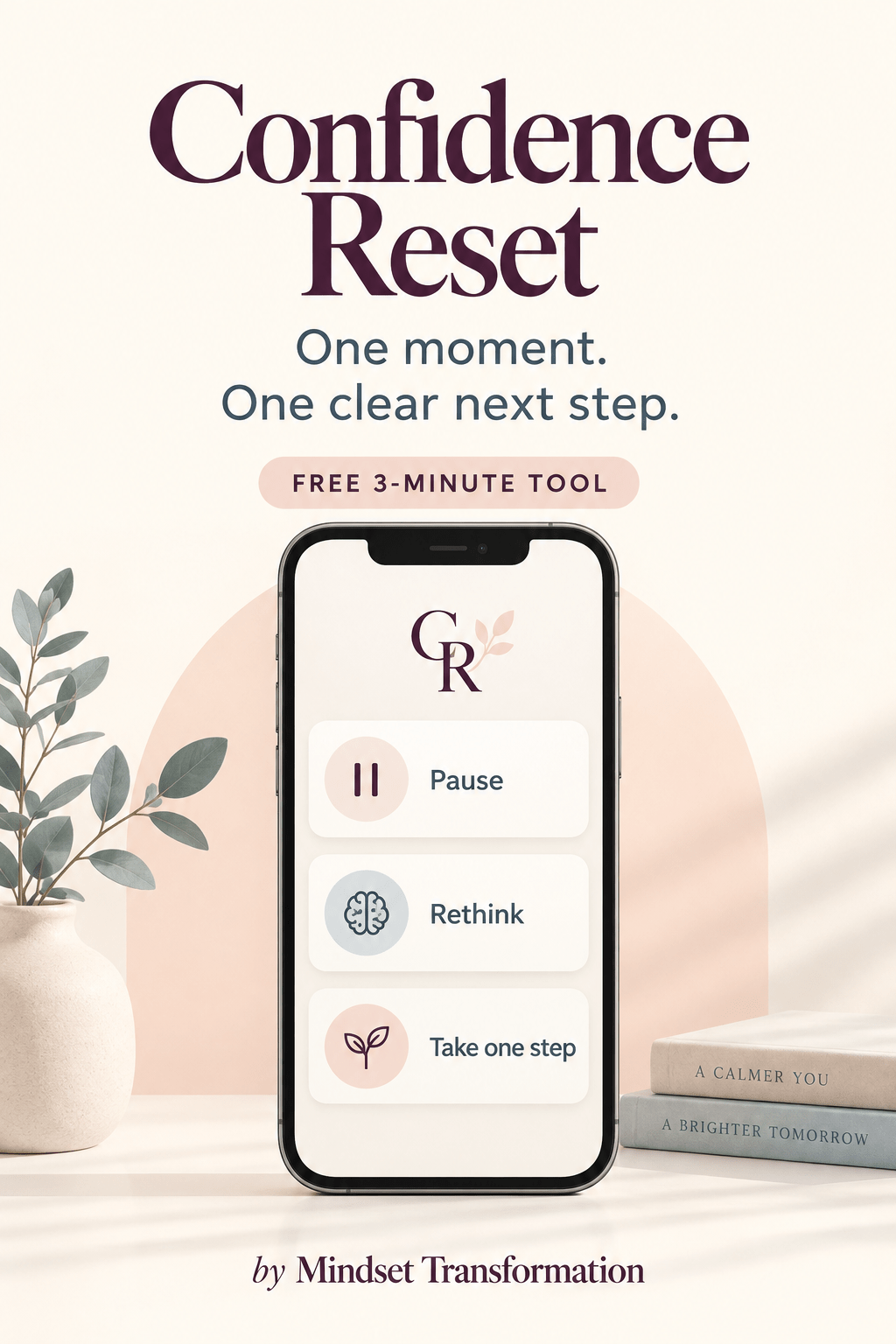
If the concern centres on self doubt, you can also try our free Confidence Reset tool. Use it for reflection rather than as a clinical anxiety assessment.
A Daily Routine With Less Pressure
In the morning, identify what matters most before opening every message. During the day, allow brief pauses, movement and regular opportunities to eat and drink. In the evening, record unfinished tasks and decide when work will stop.
Choose one part of this routine first. Adding an elaborate wellbeing schedule to an already full day can create another source of pressure. A habit you can repeat is more useful than a routine that only works under ideal conditions.
Your self care needs may change during illness, grief or demanding periods. Rest, company and professional help can all belong in your plan.
When To Seek Professional Support
Speak with a healthcare or mental health professional if anxiety is persistent, difficult to manage or interfering with sleep, work, relationships or daily activities. You can ask for help before reaching a crisis. Assessment can clarify what is happening and which treatments may suit you.
If you might harm yourself or someone else, or cannot keep yourself safe, contact your local emergency service or go to the nearest emergency department. Ask a trusted person to stay with you while you get help if possible.
Supportive conversations matter too. The article on what to say to someone with anxiety or depression may help a friend or family member understand how to respond. Books and personal growth tools can support reflection, but they are not substitutes for professional treatment.
Frequently Asked Questions About Anxiety Stress And Overthinking
How Can I Stop Overthinking
Notice when you are repeating a concern without learning anything new. Separate facts from predictions, choose any useful action and practise returning attention to the current activity. Persistent rumination may need additional support.
How Can I Calm My Mind Quickly
Try an external grounding exercise, comfortable breathing or reducing immediate demands. Choose one thing you can see or feel and give it your attention. No technique works instantly for everyone, so allow yourself to use a different option if needed.
What Is The Difference Between Stress And Anxiety
Stress often relates to identifiable demands, while anxiety involves fear or worry that may continue beyond an immediate pressure. They can overlap and produce similar symptoms. A professional can help if you are unsure what you are experiencing.
Why Do My Thoughts Race At Night
Unfinished tasks and worries can feel more noticeable when the day’s distractions stop. Record brief reminders and allow time to wind down. Persistent or severe racing thoughts, particularly alongside major changes in sleep or mood, deserve professional assessment.
Can Grounding Stop A Panic Attack
Grounding may help you cope by returning attention to your surroundings. It does not guarantee that an attack will stop and cannot rule out another cause of physical symptoms. Seek medical help for new, severe or unfamiliar symptoms.
Can Affirmations Or EFT Treat Anxiety
Some people find affirmations or tapping useful for reflection and coping. Neither should replace an assessment or an established treatment plan. Choose practices that feel supportive and stop if they increase distress.
How Can I Stop Taking On Stress From Others
Notice what you can reasonably help with and what belongs to the other person. State limits on your time and availability, and leave room for your own needs. Caring and setting boundaries can happen together.
Do I Need To Feel Calm Before Taking Action
Not always. In a safe situation, a small planned action may be possible while you feel nervous. If anxiety is overwhelming or avoidance is limiting your life, seek support to decide which steps are appropriate.
From the Mindset Transformation Library

Know What To Say When A Small Moment Starts Turning Into A Bigger Problem.
You read a short message and wonder whether someone is upset with you. You agree to a favour, then resent saying yes. You try to explain what you need, but the conversation becomes an argument. Later, you think of the words you wish you had used.
Tiny Habits for Better Relationships provides eight practical habits to help you respond with more care, ask for what you need and handle everyday tension with the people who matter to you. With examples drawn from life with partners, friends, family and colleagues, this short guide makes better communication something you can practise in your next conversation.
Inside, you’ll learn how to:
· Checkwhat someone means before an assumption becomes a defensive reply.
· Turn a recurring complaint into a clear, specific request the other person can understand.
· Find words to acknowledge a sharp reply or misunderstanding and begin putting it right.
· Stateyour limits respectfully without getting caught in lengthy explanations.
· Choose small promises you can realistically keep and follow through on.
· Pausewhen emotions rise and decide how to continue a difficult conversation.
You’ll also explore the beliefs behind your reactions and practise replacing harsh judgements about yourself with small, useful actions. Each chapter includes relatable examples, reflection questions and a short challenge. Suggested wording gives you a starting point when you feel flustered, defensive or unsure how to raise a concern.
Read from the beginning or start with the situation troubling you most. You can try one habit before finishing the book. For anyone tired of replaying conversations and wishing they had handled them differently, this is a practical place to begin.Start with one clearer question, one honest request or one small repair.
You also have the option to the complete bundle from the Mindset Transformation Shop:
Your Bundle Includes Three PDFs (Two Fillable PDFs)
Tiny Habits For Better Relationships eBook
Tiny Habits For Better Relationships Workbook (Fillable PDF)
Find The Words: 36 Conversation Prompts (Fillable PDF)
Three practical resources. One goal: helping you communicate more clearly and feel closer to the people who matter.

If conversations leave you drained, if other people’s moods stay with you for hours, or if caring for others often turns into exhaustion, this book was written for you.
Many sensitive people have been told they are too emotional, too affected, or too soft. The truth is often something very different. Sensitivity is not the problem. Emotional carrying what does not belong to you is.
You're Not Too Sensitive, You're Carrying Too Much explores why some people absorb the stress, disappointment, and emotional weight of others without realising it. Over time, this can lead to overwhelm, fatigue, resentment, anxiety, and the feeling that life is heavier than it should be.
Inside this book, you will learn how emotional carrying begins, why it becomes a habit, and how to identify the difference between compassion and absorption. You will discover how to create healthier boundaries without becoming cold or distant, how to stay caring without carrying, and how to feel deeply without losing yourself.
Through practical insights, reflective exercises, and guidance, this book will help you:
- understand why other people’s emotions affect you so strongly
- recognise what is yours and what is not
- reduce emotional exhaustion and mental overload
- develop boundaries that feel natural and steady
- trust your body’s signals again
- create more space for calm, clarity, and self-respect
You do not need to harden yourself, care less or become someone else. You only need a new understanding of what has been weighing you down.
If you are ready to feel lighter, clearer, and more emotionally free, this book will show you where to begin.

Do you ever feel overlooked, undervalued, or misunderstood because you are quiet?
In a world that rewards loud voices and constant visibility, many quiet people struggle with self-esteem. Your thoughtful nature may be mistaken for shyness, your preference for calm as weakness. Over time, these misunderstandings can affect your confidence and make you question your worth.
The Quiet Self Esteem Method offers a different path. This practical guide is designed for people who want to build lasting confidence without pretending to be someone they are not. Through small, daily habits, you will learn how to strengthen your sense of self-worth, protect your energy, and create boundaries that honour your needs.
Inside, you will discover why quiet people often struggle with self-esteem and how to turn your quiet personality into a strength. You will also learn simple techniques to silence your inner critic and stop comparing yourself to others. If you want to know how to set boundaries without guilt and find ways to speak up, be heard, and connect meaningfully with others, this book is for you.
However, this book is not about becoming louder or forcing yourself into the spotlight. It is about learning to value who you are, showing up with quiet confidence, and living with self-respect.
If you have ever felt that your voice was too soft for the world to notice, this book will remind you that quiet does not mean invisible. Confidence can be calm, steady, and powerful.
Take the first step towards unshakable self-esteem today.

Agoraphobia is the mother of all phobias. It is an unpleasant and often misunderstood condition that paralyses the sufferer into becoming a spectator of life. Many people who suffer from agoraphobia find it too stressful to leave the house and often cancel appointments or other commitments to stay at home.
But what if there was a way to trick or control your brain to react differently to your fears and anxiety so that you were able to leave the house for your appointment or other affairs? Or to calm down when feelings of anxiety become too overwhelming?
This short-read book proposes five types of self-help techniques to overcome feelings of desperation, overwhelm, total despair, and worry whenever you are faced with an anxious situation. The author hopes to help those in the grip of agoraphobia cope and take back some control over their lives.
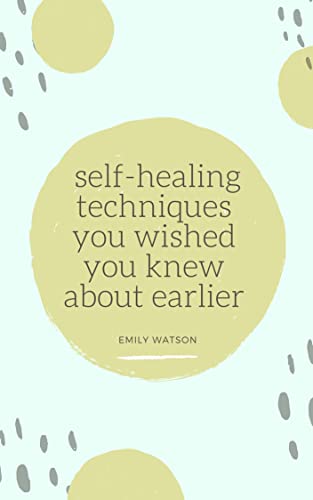
Learn to Use the Power of Your Subconscious Mind to Stimulate Self-Healing and Achieve Optimal Health
Discover the hidden potential of your body's natural healing abilities with this powerful guide to improving your health. This small book is packed with a big message on how to use the power of your subconscious mind to promote self-healing. The human body is a self-healing organism, and a growing body of scientific evidence suggests that our minds play a significant role in this process. This book will teach you various strategies, both well-known and lesser-known, to stimulate your body's self-healing process and use your own self-healing powers.
These self-healing techniques can be done in the privacy of your home and should be used in conjunction with healthy nutrition and exercise. It is important to note that this book does not replace the need for medical help or counsel, especially for severe conditions. It is always essential to seek the advice of a doctor or other healthcare professional. Instead, this book aims to show you how to use your body's strength to improve your health, as there is growing evidence that you can do this.
With nine techniques, this book will lead you on a journey of self-discovery and self-healing that you never thought possible. Discover the secrets of the mind-body connection and learn the true potential of your body's innate healing abilities.
See our blog posts about self-healing here.
Next Steps
Choose one topic to explore more deeply through the self help ebook collection. The Mindset Transformation Shop brings together the books and printable resources mentioned throughout this guide, so you can choose something suited to the practice you find useful.
Your next step does not need to resolve every worry. It might be noticing a loop sooner, asking for help or allowing a task to wait. A returning thought does not erase your progress. You can pause, consider what you need and begin again from where you are.
Disclaimer: This article provides general information and self-help ideas, not medical advice, diagnosis or treatment. Mindset practices, affirmations, EFT and the books or resources linked here are not substitutes for professional mental health care. Different techniques suit different people, and results vary. If anxiety or stress persists or affects your daily life, speak to a qualified healthcare professional. If you feel unable to keep yourself safe, seek urgent help through your local emergency services or nearest emergency department.
Continue Reading
- Anxiety, Stress And Overthinking: A Practical Guide To Calming Your Mind
- The Complete Guide to Productivity and Success: How to Achieve More Without Burning Out
- Money Mindset and Abundance: A Practical Guide to Changing Your Relationship With Money
- The Complete Guide to Healthy Relationships
- Your Ultimate Guide to Positive Affirmations That Actually Work








Leave a Comment