

The Complete Guide to Productivity and Success: How to Achieve More Without Burning Out
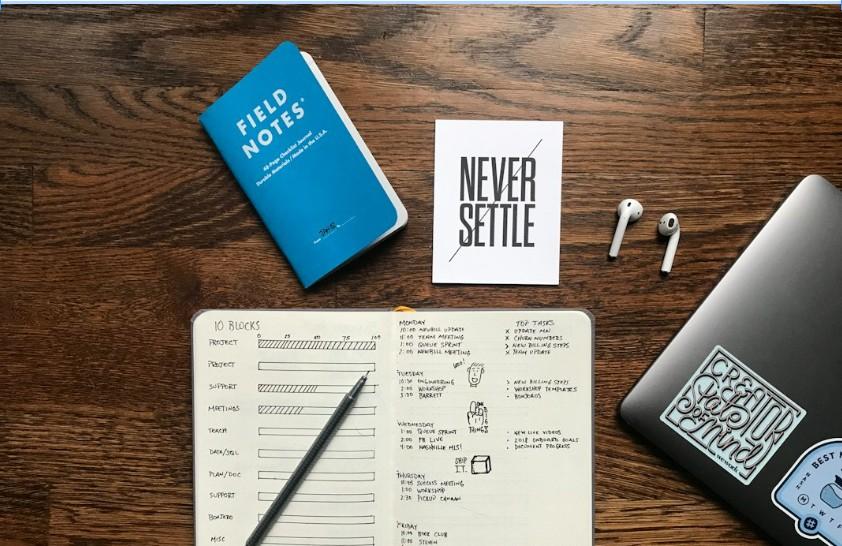
Productivity and success, habits, discipline, motivation, focus and mindset are closely connected. Being productive is not about filling every hour with tasks. It is about using your time, attention and energy on work that matters, while leaving enough capacity for the rest of your life.
Many people assume they have a time management problem when something else is getting in the way. Procrastination, unclear priorities, perfectionism, low confidence, inconsistent habits, distraction and unrealistic expectations can all make useful work harder to begin or finish.
A practical definition is simple. Productivity means using available time and energy effectively. Success means making meaningful progress towards goals that matter to you. When these ideas work together, the aim is not to do more at any cost. The aim is to make better use of what you have.
This guide connects productivity with the deeper mindset patterns covered in the Complete Guide to the Subconscious Mind, so you can work on both practical routines and the beliefs that may influence them.
What Is Productivity?
Productivity is the effective use of time, attention, energy and resources to complete meaningful tasks or make progress towards a worthwhile result. Busy activity and productive activity are not the same.
Answering messages for three hours may keep you occupied, but it may contribute very little to the project that matters most. A productive day can contain fewer completed tasks if those tasks have greater value.
Productivity commonly includes:
- choosing priorities
- protecting attention from unnecessary distractions
- starting important work even when motivation is low
- using routines that reduce repeated decision making
- breaking large tasks into manageable actions
- reviewing progress
- resting before exhaustion reduces your effectiveness
This is why productivity is not only a scheduling issue. Your thinking, habits and emotional responses can influence what you start, what you avoid and what you finish.
What Is Success?
Success is personal. For one person it may mean building a business. For another it may mean finishing a qualification, writing a book, improving financial security, having more time for family or creating a less pressured life.
A useful definition is that success means making meaningful progress towards goals that reflect your priorities and desired way of living. This matters because somebody else’s definition of achievement can keep you working hard without giving you a life you actually want.
Productivity should therefore serve your priorities. Your priorities should not exist merely to keep you productive.
Why Mindset Matters for Productivity and Success
Mindset influences what you expect from yourself, how you interpret setbacks and whether you continue after a difficult day. Motivation can help you begin, but it is unreliable as a daily operating system.
A useful sequence is: beliefs influence decisions, decisions influence actions, repeated actions become habits, and habits contribute to results. Changing a result can therefore require attention to what happens before the visible behaviour.
For a deeper explanation of how thought patterns and repeated behaviour work together, read The Power of Mindset and Discipline.
Why Motivation Is Not Enough
Motivation rises and falls. Some days you may feel ready to work. On other days the same task can feel tedious, difficult or unimportant. If progress depends on feeling motivated first, consistency becomes difficult.
Discipline is the decision to keep a worthwhile commitment even when enthusiasm is missing. This does not mean forcing yourself to work continuously. Healthy discipline also includes stopping, resting and changing a plan that is no longer realistic.
The relationship between motivation, discipline and repeated effort is explored further in Why Consistency Is Important for Success.
How to Stop Procrastinating
Procrastination is the delay of an intended task even when you know the delay may make things harder later. It is not always laziness. A task may be delayed because it feels unclear, boring, emotionally uncomfortable, too large or connected to fear of failure or criticism.
Before trying another productivity trick, ask what you are avoiding. The answer can tell you which solution is more useful.
Try the Five Minute Start
Reduce the commitment. Instead of telling yourself that you must finish the entire project, commit to five minutes of useful work. Open the document. Write the first paragraph. Sort the first ten items. Read the first page.
Starting reduces the size of the decision. Once the task is in motion, continuing can become easier. If five minutes is all you can manage, you have still moved from avoidance to action.
For more strategies, including breaking tasks into smaller parts and reducing distractions, read Overcome Procrastination Using the Power of Your Mind.
The Power of Consistency
Long term results often come from repeated actions that look unimpressive on any single day. Writing a few hundred words regularly can produce a manuscript. Saving a manageable amount each month can build a financial buffer. Practising a skill for a short period each day can create substantial improvement over time.
Consistency does not require perfection. Missing a day does not cancel previous progress. What matters is returning to the action instead of treating one interruption as proof that the plan has failed.
Read Why Consistency Is Important for Success for a fuller explanation of momentum, focus and repeated effort.
How to Build Productive Habits
Habits reduce the number of decisions required for repeated behaviour. The aim is not a flawless routine. The aim is to make useful actions easier to repeat.
Start Smaller Than You Think You Need To
Large plans often fail because they demand too much effort at the beginning. A smaller action gives you a repeatable starting point. Ten minutes of walking is easier to repeat than an ambitious exercise plan. Three hundred words can be easier to begin than a promise to write an entire chapter.
Connect the New Action to Something Familiar
A new routine can be linked to something you already do. After making coffee, write your three priorities. After lunch, take a short walk. Before closing your computer, write the first task for tomorrow.
Browse more articles about routines and behaviour in the Habits section.
If you want a longer resource, Transform Your Habits With Mindset Techniques focuses on identifying unhelpful habits and building more useful ones.
How to Improve Your Focus
Attention is a limited resource. Notifications, messages, open tabs and frequent task switching can divide it into small pieces. Better focus often begins by removing what competes for your attention rather than trying to force yourself to concentrate harder.
- turn off notifications that do not need an immediate response
- keep your phone out of reach during focused work
- close browser tabs that are unrelated to the current task
- choose one priority for the current work period
- use short breaks before your concentration collapses
- write distracting thoughts down so you can return to them later
Use One Mental Cue
Choose one word that represents what you need from yourself today, such as Focus, Finish, Create, Calm or Courage. When your attention drifts, use the word as a reminder of what you intended to do. The value comes from making the cue simple enough to remember in the moment.
Time Management for Busy People
Time management is not the art of fitting everything into a day. It is the decision about what will receive your limited time.
A simple daily structure is to choose one major priority and two secondary tasks. Complete the major priority during your best available concentration period where possible. Treat lower value tasks as secondary rather than allowing them to consume the start of the day.
A shorter list can be more useful than a long list that creates pressure without helping you decide what matters.
Productivity for Entrepreneurs
Entrepreneurs face a particular problem because the work rarely announces that it is finished. There is always another message, marketing idea, product improvement or administrative task.
Useful practices include grouping similar tasks, protecting time for work that contributes directly to revenue or creation, reviewing priorities weekly, limiting unnecessary task switching and deciding when the working day ends.
The question is not simply, “What can I do next?” A better question is, “Which task deserves my attention next?”
How to Set Goals You Will Actually Pursue
A useful goal is clear enough to guide the next action. “I want to be successful” provides little direction. “I will complete the first draft of my book by 30 November” gives you an outcome and a time frame.
Before committing to a goal, answer five questions:
- What do I want to complete or change?
- Why does this matter to me?
- What is the target date?
- What repeated action will move me towards it?
- How will I know whether I am making progress?
Goals provide direction. Repeated actions provide movement.
The Difference Between Goals and Systems
A goal describes a result. A system describes what you repeatedly do to increase the chance of reaching that result.
Goal: write a book. System: write 500 words on weekday mornings. Goal: grow a business. System: spend a defined work period each weekday on activities connected to visibility, customers or sales.
Goals matter, but systems answer the daily question: what do I do now?
How to Deal With Failure Without Losing Momentum
A setback becomes especially damaging when you interpret it as proof that you are incapable. A more useful response is to treat the result as information.
Ask what worked, what did not work, what was outside your control and what you will change next time. This turns failure from a final judgement into feedback about the method, timing or decision.
Read How to Deal with Failure: A Mindset Shift Beyond Resilience when a setback has made it difficult to continue.
If you are stuck between competing thoughts or decisions, the Third Chair Technique can help you examine a situation from more than one perspective.
How to Build Discipline Without Becoming Rigid
Discipline works best when it supports what matters rather than becoming a rule that every minute must be productive. A disciplined plan can include focused work, breaks, boundaries, realistic expectations and recovery.
Rigidity says the plan must be followed regardless of circumstances. Useful discipline asks what commitment matters and what is realistically possible today.
If self doubt is making it harder to act on decisions, explore the Complete Guide to Lasting Self Belief and Confidence.
Use Your Subconscious Mind to Support Your Goals
Repeated beliefs can influence behaviour. If your automatic thought is “I always fail at this”, you may avoid the very practice that would help you improve. A more useful statement such as “I am learning how to do this” leaves room for effort and progress.
Journalling, visualisation, supportive self talk and repeated behaviour can help you notice old mental patterns and practise different responses.
The Complete Guide to the Subconscious Mind explains limiting beliefs, repeated patterns and practical ways to work with them.
For a guided shop resource on this topic, see Manifest with your Subconscious Mind.
Visualisation and Success
Visualisation is mental rehearsal. Before a presentation, for example, you can picture yourself entering the room, beginning clearly, answering questions and completing the presentation. Mental rehearsal is most useful when it supports practical preparation rather than replacing it.
Prepare first. Rehearse mentally. Then take the real action.
Explore 9 Visualisation Techniques for Success for several ways to use mental rehearsal in goal related situations.
The Role of Confidence in Success
Confidence can affect whether you apply, speak, decide, publish, ask, begin or continue. Low confidence may appear as excessive preparation, avoidance, perfectionism or repeated reassurance seeking.
Authentic confidence does not require certainty that everything will work. It means having enough trust in yourself to act, learn and respond to what happens next.
For a broader confidence resource, read the Complete Guide to Lasting Self Belief and Confidence.
For structured practice around decisions, self doubt and everyday confidence, see the 3X Confidence and Authenticity Masterclass.
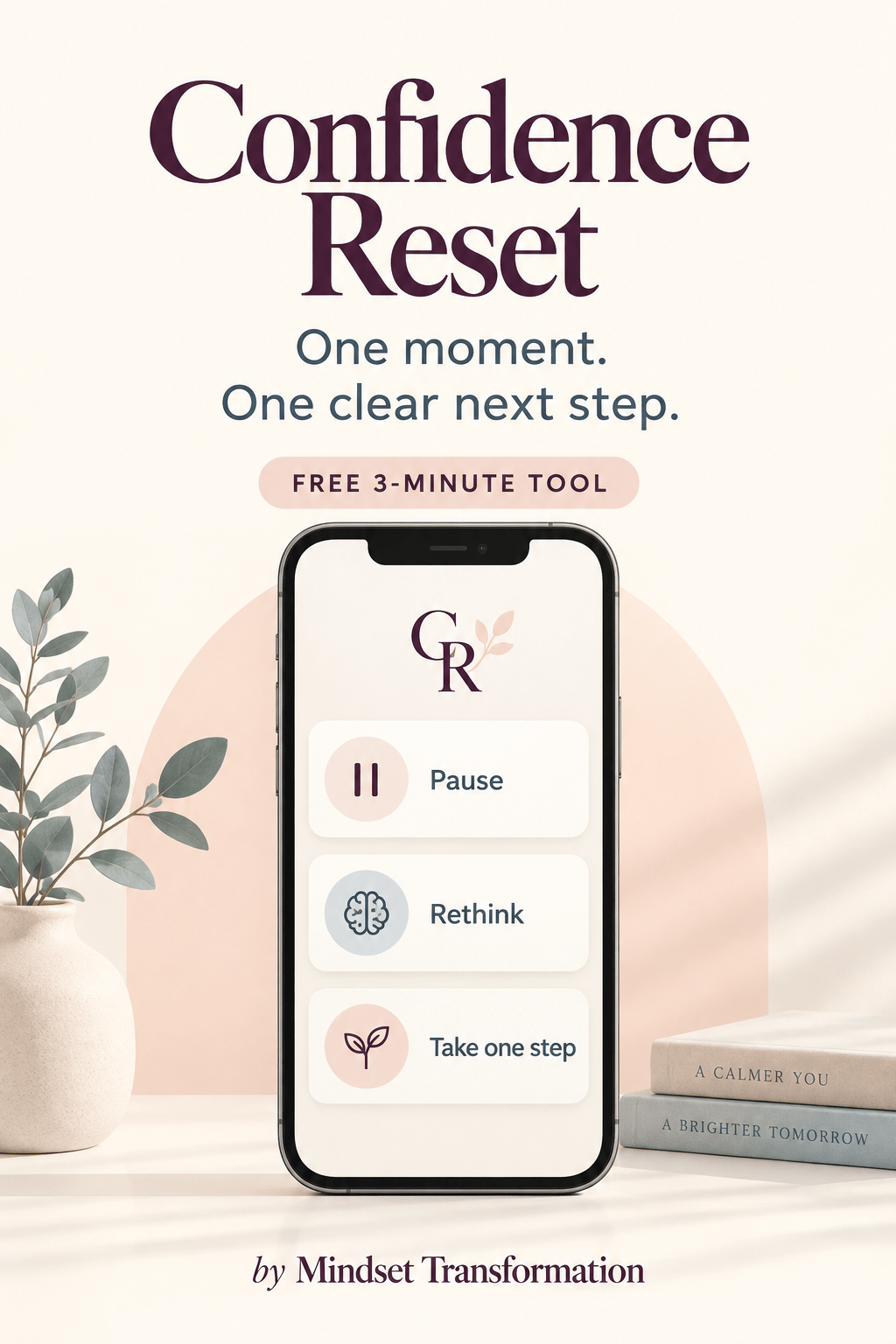
Get our free confidence reset app.
How to Protect Yourself From Burnout
Productivity advice becomes unhelpful when every problem is answered with more effort. Persistent exhaustion, reduced concentration, irritability, loss of enjoyment and an inability to switch off can signal that your current workload or expectations need attention.
Rest is not wasted time. Recovery protects the attention and energy that productive work requires. A sustainable plan therefore includes limits as well as goals.
If emotional exhaustion is part of the problem, the Practical Guide to Emotional Healing and Inner Recovery provides related reading on emotional strain and recovery.
A Simple Daily Productivity System
Morning
Choose one major priority. Ask which task would make the day meaningfully better if it were completed.
Focused Work
Remove avoidable distractions and work on one important task for a defined period. Do not use the first interruption as a reason to abandon the session.
Midday
Review what has been completed. Change the plan if new information genuinely requires it, rather than changing tasks simply because the current work feels difficult.
Afternoon
Complete secondary work and administrative tasks. Leave some space rather than filling every available minute.
Evening
Record what you completed, what needs attention tomorrow and what can wait. Then allow the working day to end.
Five Principles of Sustainable Success
- Focus on what matters. You cannot give equal attention to everything.
- Start before you feel completely ready. Waiting for ideal motivation can keep important work on hold.
- Choose consistency over occasional intensity. Repeated useful actions accumulate.
- Build systems around important goals. Decide what you will repeatedly do, not only what you hope to achieve.
- Protect your energy. A plan that repeatedly leaves you depleted is unlikely to support long term progress.
Frequently Asked Questions About Productivity and Success
What is the best way to become more productive?
Choose the most important task, reduce avoidable distractions, make the first action clear and use simple routines that you can repeat.
Why am I productive some days but not others?
Energy, sleep, stress, clarity, environment and emotional load can all affect how easily you work. Variation does not automatically mean you lack discipline.
How can I stop procrastinating?
Identify what makes the task uncomfortable or unclear, reduce it to a smaller first action and commit to beginning for a short period.
How can I stay motivated?
Do not make motivation the requirement for action. Use routines, clear priorities and small starting points so progress can continue on ordinary days.
What is more important, motivation or discipline?
Motivation can help you begin, while discipline and repeatable systems are more dependable when motivation changes.
How can I become more disciplined?
Choose one realistic commitment and practise following through. Increase the demand only after the action becomes easier to repeat.
How many goals should I have?
There is no universal number. Fewer active priorities can make it easier to decide where your time and attention should go.
Why do I keep failing to achieve my goals?
Common reasons include vague goals, unrealistic plans, inconsistent action, avoidance, competing priorities and systems that are too difficult to maintain.
Can mindset improve productivity?
Yes. Beliefs about effort, failure, confidence and capability can influence whether you start, persist and respond constructively to setbacks.
How can I be productive without burning out?
Set realistic priorities, protect focused work periods, take breaks, maintain boundaries and treat recovery as part of the plan.
What is the difference between being busy and being productive?
Busy activity fills time. Productive activity contributes meaningfully to a priority or result
How can I improve my focus?
Reduce competing inputs, choose one task, define a work period and remove unnecessary notifications before you begin.
What is the best productivity method?
The most useful method is one you can repeat and that helps you complete meaningful work without creating unnecessary pressure.
Your Productivity and Success Toolkit
Productivity problems do not always have the same cause. Use the resource that matches what is getting in the way.
Mindset and discipline: when motivation disappears or follow through is inconsistent.
Procrastination: when you keep delaying a task you intend to do.
Consistency: when you begin well but struggle to keep going.
Habits: when you want useful behaviour to become easier to repeat.
Subconscious mind: when repeated beliefs or automatic patterns seem to interfere with progress.
Confidence: when self doubt is stopping you from acting.
Visualisation: when mental rehearsal could support practical preparation.
Emotional recovery: when exhaustion or emotional strain is reducing your capacity.
From the Mindset Transformation Shop

Your mind is powerful but your subconscious is what decides what stays, grows, and manifests.
This practical guide gives you the tools to reprogram limiting beliefs, release resistance and align your inner world with the success, confidence, and abundance you’re ready for.
Inside, you'll learn how to:
- Clear hidden mental blocks using Emotional Freedom Technique (EFT).
- Use scripting, journaling, and visualisation to send instructions to your subconscious mind.
- Tap into the power of sleep reprogramming and subliminal audio.
- Calm your nervous system through daily routines and mindfulness practices.
- Move through resistance and break the cycle of self-sabotage.
- Build a mindset that attracts new opportunities, without relying on willpower.
The book also includes a 21-day subconscious reprogramming challenge that provides daily practical steps to help you transition from being stuck to being aligned.
If you’re ready to stop forcing change and start allowing success, "Manifest with the Subconscious Mind" will show you how to work with the most powerful part of your mind to affect change in your life.
You don’t need to think harder but only need to rewire what's already in charge.

Are bad habits holding you back? Do you want to live a life full of happiness, success, and growth as a person? Don't look any further! In this eBook, you'll find a great trove of techniques for changing your mind that will help you break out of old habits and reach your full potential.
Inside these pages, you'll go on a journey that will change you, exploring how your conscious and subconscious thoughts work. Learn more about the science of habits and how to identify and break the bad ones that have been holding you back for far too long.
This complete guide, made up of seven helpful chapters, will help you find your way through the tricky process of changing habits. Take part in exercises that are meant to help you move forward on your path to change. Explore powerful ways to change your mind that will light a fire in you and make you even more determined to form lasting good habits.
But this eBook goes further than the simple tips that are usually found in self-help books. It gives you the tools you need to maintain a positive outlook even when bad things happen. As you create new habits, you'll learn how to fit them into your daily life in a way that works, which is the key to long-term success.
Are you ready to break free from what has been holding you back? Your change is on the way. Step into a world of strength, growth, and personal fulfillment like you've never seen before. Get this eBook today and start the journey of a lifetime.

This book is the perfect guide for anyone who is looking to make a positive change in their life and become a better version of themselves. It will help you reset your mindset and open up the possibilities of achieving your dreams, no matter who you are or where you are in life.
The book includes practical tips and a set of lofty questions to help you get into the right mindset for the day, reframe how you think about an issue, and make meaningful changes in various areas of your life. To get the most out of the book, you are given a 7-day challenge to improve your mindset about self-esteem, confidence, positivity, money, health, abundance, and gratitude.
Along with the book, you will also receive a bonus book to help you become a better version of yourself by guiding you to change your habits (download link in the book). So, take the leap and become a stronger person today with this book.

Your success is often hampered because of your thinking. It is difficult to ascend beyond what you believe. Therefore, it is crucial to break out of your own limitations if you wish to achieve more success in life. You have more control over your success, identity, and mind than you think. Many of us allow our minds and our past conditionings to control us. However, you have the power to change your mind, thoughts, beliefs, identity, life, and ultimately your success. To create more success, you must change how you see yourself. Once you remove limitations and begin to believe in your true limitless potential, you allow yourself to shift into unlimited possibilities. This is where you can begin the process of achieving any level of success you choose.
The Emotional Freedom Technique (EFT) is well-known for reducing stress, anxiety, and emotional and physical pain. However, tapping can also help you overcome self-imposed limitations that affect your success. EFT entails tapping specific places on the body, particularly the head and face. While doing so, you concentrate on the problem you want to solve while repeating negative and positive phrases related to the problem. When it comes to more success, tapping's primary purpose is to help you get rid of undesirable negative emotions and ideas that can come up at any time and stop you in your tracks.
The scripts direct you to focus on and clear up the most important issues that stand in the way of your success. In addition, each script is also infused with lofty questions. Lofty questions are formulated to encourage helpful responses, insights, or solutions and thus help to change how you think about a problem. Therefore, it gives you double the strength of traditional tapping!
Using the EFT scripts does not mean that you have to do it alone without the support of EFT professionals. Instead, the scripts are self-guided and empower you to take those first steps to become a better version of yourself in the privacy of your own home. You are also guided towards how to address your core issues and beliefs about your success by devising your own scripts.
The scripts in this book focus on the following issues that can hamper your success:
Building more confidence
Deal better with disappointment
Stop procrastination
Stop self-sabotage
Get more self-love and acceptance
Stop self-criticism
Overcome imposter syndrome
Get better self-esteem and image
Increase productivity
Become more positive
Become more organised
Deal with stress
Have more perseverance
Become a better team player
Become a better public speaker
Bonus script: Overcome limiting beliefs
Bonus script: Adopt healthy habits
Bonus script: Tap on miracle words (Hoōponopono)
Bonus: Tapping and Ranting
Knowing that each person's situation is unique, this book also helps you formulate your own phrases. You need to understand and tap into the underlying core issues that stand in your way of success.
When you purchase the book, you will also receive the following bonuses (the download link is inside the book):
eBook: Overcome obstacles
eBook: Self-confidence affirmations
eBook: Healthy habits
eBook: Total mental resilience
Document: Peak Productivity Blueprint
Printable Create Your Own Script Template
An audio file (wav format) for each script to tap wherever you are
Set Your Intention Affirmations
Don't miss out on the success that you deserve, and start clearing all the negative emotions that affect your success in the workplace and business environment!
See our 3X Confidence and Authenticity Masterclass for readers whose hesitation, self doubt or decision-making is getting in the way of action.
You can also browse the Mindset Transformation Shop for the full collection of digital products.
Continue Your Productivity Journey
Productivity is not a test of how much you can fit into a day. It is a way of deciding what deserves your limited time, attention and energy.
Choose one priority. Make the first action small enough to begin. Repeat what works. Review what does not. Rest when recovery is needed. Over time, useful actions can become routines, routines can support progress and progress can strengthen your trust in your ability to follow through.
A successful life does not have to be the life with the longest completed task list. It can be the life in which your effort is directed towards what matters most to you.
People Also Ask
How do I become productive when I have no motivation?
Choose one very small task and begin before waiting for motivation. A clear starting point can make action easier. Our printable wall art may just be the motivation you need.
How do I stop wasting time?
Identify the distractions that consume the most time, remove avoidable interruptions and decide your priority before the day becomes reactive.
How do I become successful in life?
Define what success means to you, choose meaningful goals, create repeatable systems and learn from results rather than expecting perfect progress.
What is the secret to consistency?
Make the important action realistic enough to repeat and return to it after interruptions instead of expecting a perfect streak.
How can I train my mind for success?
Practise useful self talk, clarify goals, build repeatable habits, examine limiting beliefs and take actions that provide real evidence of progress.
How do I achieve goals faster?
Reduce competing priorities, remove low value work and spend more of your best attention on the actions most closely connected to the result.
How do I become productive without feeling overwhelmed?
Reduce the number of active priorities. Complete one meaningful task before deciding what deserves attention next.
What should I do when I lose motivation?
Return to the reason the goal matters, reduce the next action and rely on your routine rather than waiting to feel inspired.
Continue Reading
- The Complete Guide to Productivity and Success: How to Achieve More Without Burning Out
- Money Mindset and Abundance: A Practical Guide to Changing Your Relationship With Money
- The Complete Guide to Healthy Relationships
- Your Ultimate Guide to Positive Affirmations That Actually Work
- Your Ultimate Guide to Lasting Self-Belief And Confidence








Leave a Comment